“The First 72 Hours After Sexual Violence Could Change Everything”

In Summary
· 72-hour response window, can significantly influence a survivor's physical, emotional, and psychological recovery
· Delays in seeking help can reduce the effectiveness of certain treatments
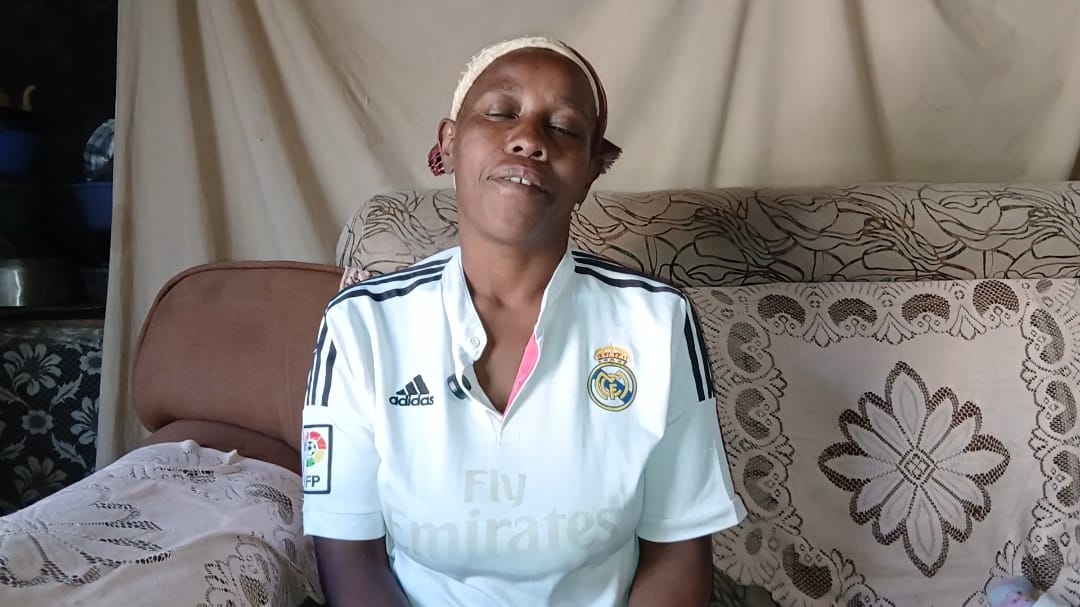
During a recent community safety and survivor support session, Ambulex Gender Officer Betty Ng’eno highlighted a critical but often overlooked aspect of responding to Sexual and Gender-Based Violence (SGBV): the importance of the first 72 hours after an incident.
This period, often referred to as the 72-hour response window, can significantly influence a survivor's physical, emotional, and psychological recovery. Timely intervention not only helps prevent further health complications but also ensures survivors receive the support and protection they need when they are most vulnerable.
According to Ng’eno, the response should begin with Immediate Psychological First Aid. Survivors are often experiencing fear, confusion, shock, and emotional distress. The first responsibility of responders, healthcare workers, family members, or community support systems is to create a safe environment, provide reassurance, and help the survivor understand what support is available.

Betty Ng'eno GENDER, SAFEGUARDING & GBV PROGRAMS OFFICER
Prompt action can reduce health risks, support recovery.
Once safety and emotional stabilization have been established, the next priority is access to medical care. One of the most urgent interventions within the 72-hour window is Post-Exposure Prophylaxis (PEP), a medication used to reduce the risk of HIV infection following exposure. PEP is most effective when started as soon as possible, ideally within 24 hours, but can still be administered up to 72 hours after the incident.
For survivors at risk of unwanted pregnancy, Emergency Contraception is another crucial intervention. While it can be administered up to 120 hours after the assault, its effectiveness is highest when provided within the first 72 hours.
Beyond medical treatment, the 72-hour timeline is also critical for documentation, referrals, psychosocial support, and connecting survivors with legal and protection services. Delays in seeking help can reduce the effectiveness of certain treatments and make recovery more challenging.
The Ambulex Gender officer emphasized that communities must continue raising awareness about survivor-centered response mechanisms so that individuals know where to seek help without fear, stigma, or delay.
The message from the session was clear: the first 72 hours can make a life-changing difference. Every survivor deserves immediate access to safety, dignity, medical care, and emotional support.
By strengthening awareness and response systems, organizations such as Ambulex are helping ensure that survivors receive the timely care they need to begin their journey toward healing and recovery.
Because when it comes to SGBV response, every hour counts.