When Help Depends on a Well-Wisher: Monica’s Story of Survival
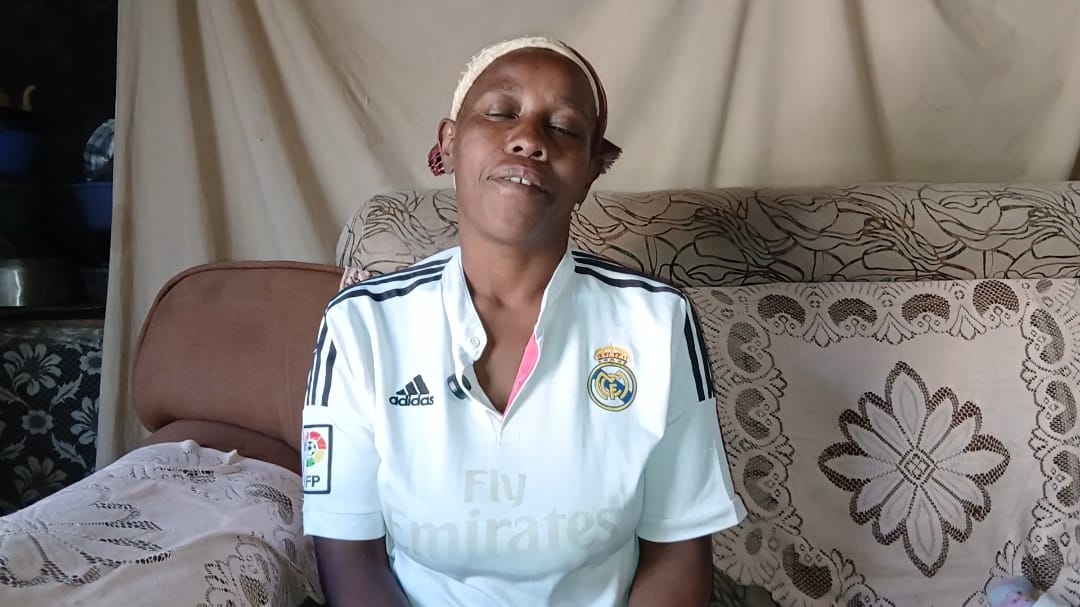
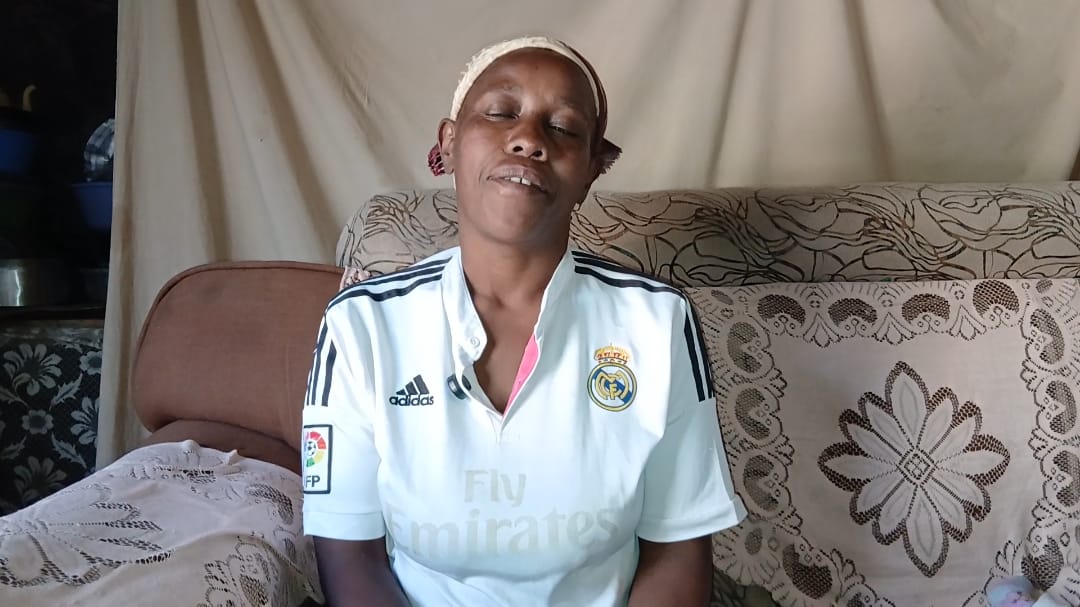
When I met Monica Njogu at her humble homestead in Ruiru, she welcomed me warmly. A mother of three, Monica politely explained that she had nothing to offer me at the time. But that was never the reason for my visit.
I had come to understand something far more important: how do families like Monica’s respond when an emergency strikes?
Her story quickly revealed the difficult reality many Kenyan families face.
Monica’s Story of Survival
Monica recalled an emergency involving her youngest child, who is barely one year old. When the situation became critical, it was a neighbour (member of the army) who stepped in, rescued the child and helped get her to hospital.
For Monica, the experience was a painful reminder of just how thin the line between life and death can become when emergency help is not immediately available.
But what happens to families who do not have a neighbour who can respond?
In Monica’s neighbourhood, the answer is community solidarity. When someone falls seriously ill or an emergency occurs, neighbours call one another and begin contributing money. Sometimes the money pays for a taxi. Other times, it goes towards fuel for a vehicle that can transport the patient to hospital.
And sometimes, they simply hope that a well-wisher will appear.
This is the gap.
For many families, emergency response is not a service they can confidently access when they need it most. It becomes a question of who has a car, who has money, who knows someone, or who happens to be available.
And in emergencies, every minute matters.
Across Kenya, lives have been lost or placed at greater risk because emergency assistance and evacuation did not arrive in time. Families should not have to rely on luck, last-minute fundraising or the kindness of a stranger to get their loved ones to safety.
This is why Ambulex Solutions is launching Adopt a Family on November 13th.
The initiative is designed as a step towards cushioning vulnerable families from the devastating consequences of delayed emergency response-helping families like Monica’s access timely evacuation and emergency support when they need it most.
Monica’s story is not just about one mother, one child or one neighbourhood. It represents thousands of families navigating emergencies with limited resources.
Adopt a Family is about changing that reality-one family, one emergency and one timely response at a time.
Because when an emergency happens, no family should have to ask, “Who will help us get to the hospital?”
They should know that help is coming.