The CEO I Am Becoming
Over the last few years, I have spent a lot of time in survival mode.
Like many founders building in Africa, especially in healthcare and emergency response,
there are seasons where you become everything at once: operator, strategist, recruiter,
fundraiser, spokesperson, customer service desk, crisis manager, and sometimes even
therapist for your team.
In the early days of building Ambulex, that level of intensity was necessary. We were trying
to prove that emergency medical response could be accessible, technology-enabled,
community-driven, and designed for ordinary households, not just for a few people who
could afford it.
Every win mattered.
Every partnership mattered.
Every subscriber mattered.
Every emergency call mattered.
And truthfully, there were moments where sheer determination carried the organization
further than systems did.
But lately, I have been realizing something important:
From Operator to Builder of Systems
The version of me that was required to build Ambulex to this point is not necessarily the
same version that will take it to the next level.
As the organization grows, my role has to evolve too.
I have been thinking deeply about what it means to transition from being a founder who is
heavily involved in day-to-day execution into becoming a leader focused on building an
institution that can scale sustainably.
That shift is not always easy.
Founders often become emotionally attached to being needed everywhere. We become
accustomed to solving problems quickly, carrying operational pressure personally, and
responding to every challenge directly. Sometimes we confuse exhaustion with commitment.
But organizations cannot scale sustainably when everything depends on the founder’s
constant intervention.
I am increasingly learning that scale requires a different kind of leadership.
It requires systems.
It requires trust.
It requires governance.
It requires discipline.
It requires strong people around you.
And perhaps most importantly, it requires the ability to step back enough to see the bigger
picture clearly.
Learning to Lead Through Trust and Delegation
For me, this means becoming more intentional about where my energy goes.
Not every opportunity deserves attention.
Not every meeting needs my presence.
Not every operational issue requires my direct involvement.
The work that matters most now is the work that creates leverage:
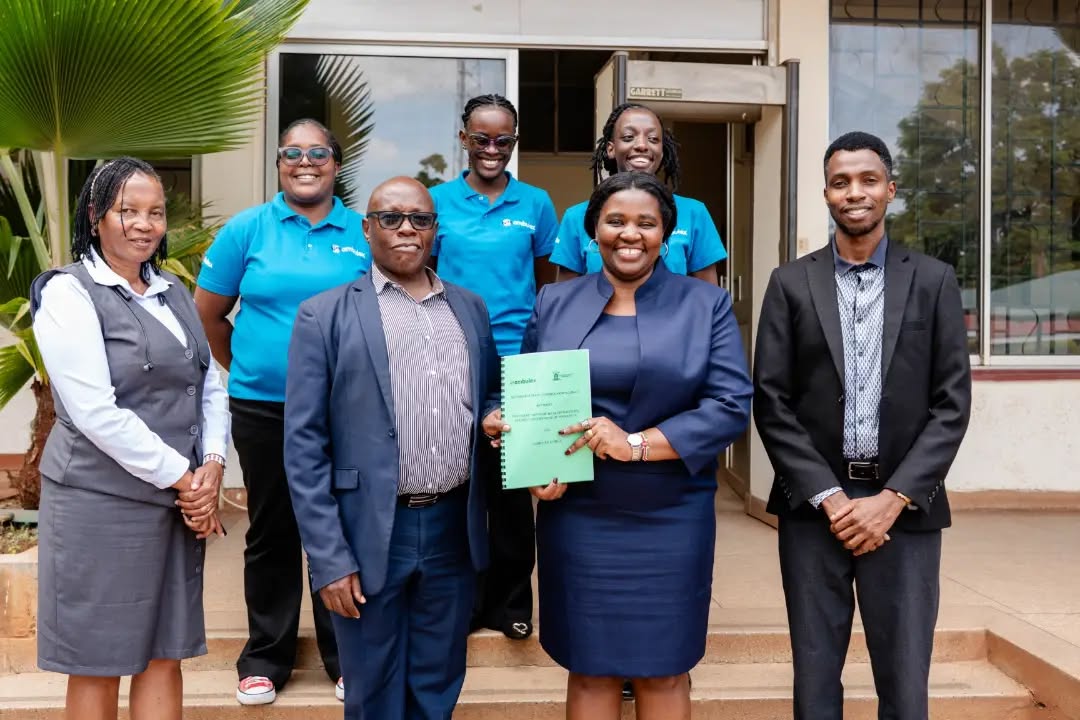
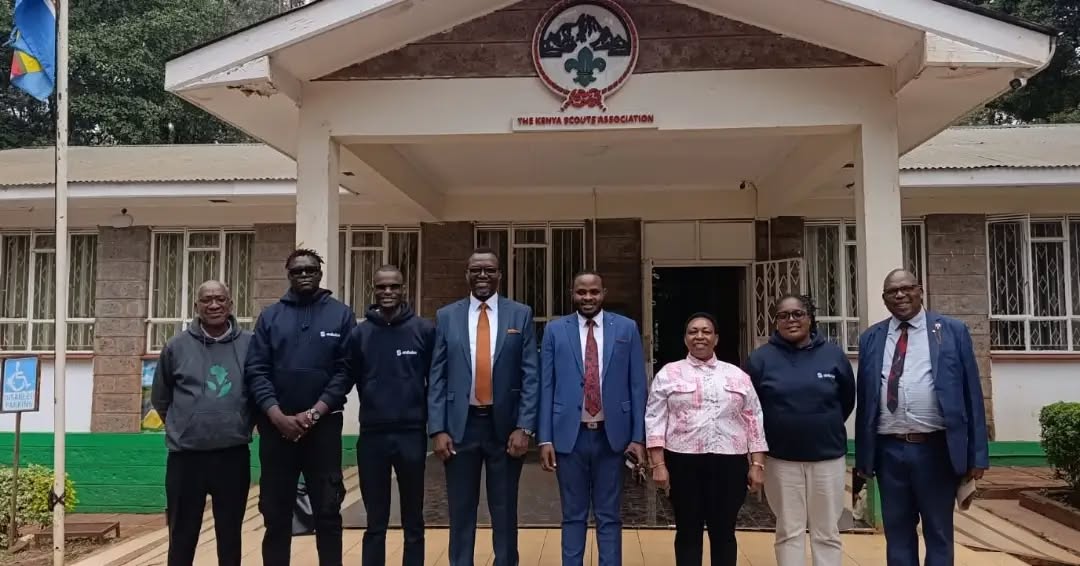
building public sector partnerships that can reach entire counties
strengthening community-based distribution systems
investing in scalable technology
building leadership capacity internally
creating financial and operational sustainability
positioning emergency response as essential household infrastructure
I am also learning that leadership is not about carrying everything alone.
Some of the most important work ahead will involve building strong teams, empowering
leaders, and creating systems that function effectively even when I am not directly involved
in every detail.
That requires a different kind of confidence.
The confidence to delegate.
The confidence to trust.
The confidence to move from control toward structure.
Staying Anchored in Mission While Scaling Impact.
At the same time, I want to remain deeply connected to the mission that started all of this.
Ambulex was never just about ambulances.
It has always been about dignity.
About access.
About ensuring that people, specially low-income households, are not left helpless during
emergencies simply because of geography, cost, or broken systems.
As we continue to grow, I think often about the kind of organization we are truly trying to
build.
Not just a startup.
Not just a technology platform.
Not just a healthcare company.
But an institution capable of changing how emergency response is accessed across Africa.
That kind of vision requires patience.
It requires resilience.
It requires clarity.
And it requires leaders who are willing to evolve alongside the organizations they are
building.
I do not think the goal is to stop working hard.
I think the goal is to work in a way that creates long-term impact without making burnout the
operating model.
And perhaps that is the season I am entering no. Learning how to lead not only with urgency,
but also with perspective.